YouTube has become one of the most competitive platforms for creators. Every minute, hundreds of hours of video content are uploaded, which means creators must publish regularly while maintaining quality. For many YouTubers, the biggest challenge is not creativity but time. Writing scripts, recording footage, editing scenes, adding voiceovers, and finalizing visuals can take hours or even days for a single video.
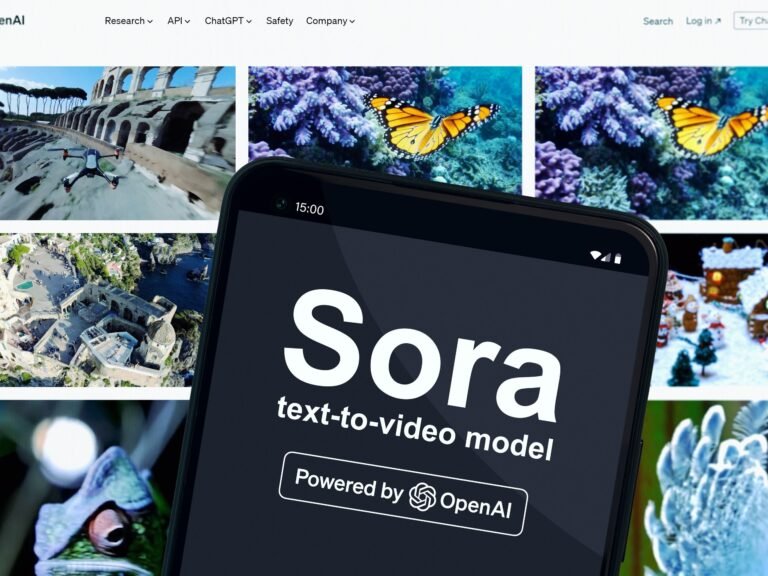
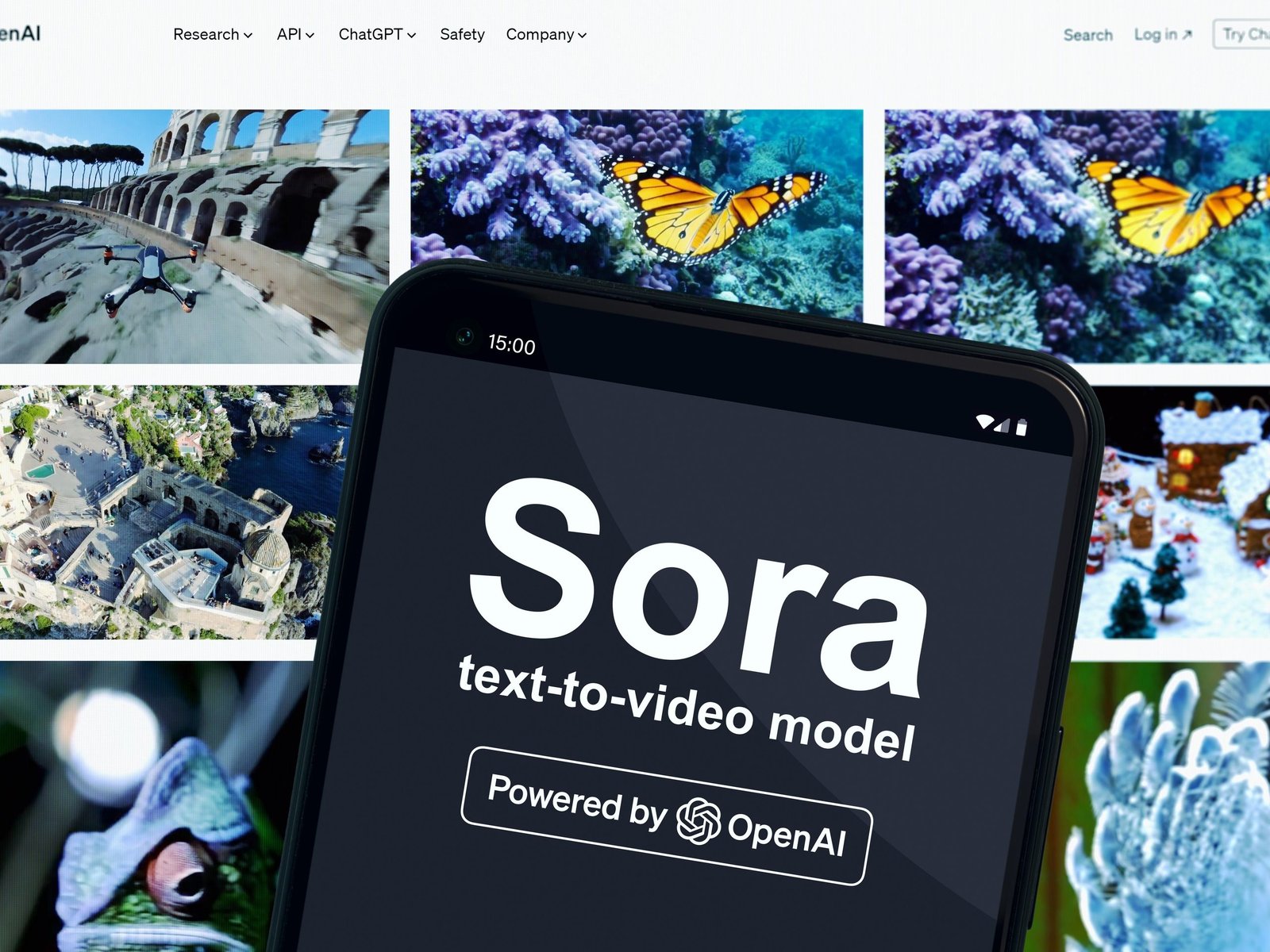
Artificial intelligence is beginning to transform this process. AI video models are now capable of generating scenes, structuring narratives, and assisting with editing tasks that once required complex workflows. One of the most interesting developments in this space is Sora 2, an advanced AI video model designed to generate video content directly from prompts.
For YouTubers, tools built around this technology are changing how videos are produced. Instead of relying on traditional filming and editing methods, creators can use AI systems to accelerate production while still maintaining creative control. This allows creators to focus more on storytelling and ideas while the technology handles many of the technical steps.
In this article, we explore how YouTubers can use Sora 2 to create videos faster and how AI video workflows are shaping the future of content creation.
How can a sora ai video generator help YouTubers produce videos faster?
AI video generation is changing how creators approach video production. Instead of manually assembling footage and editing scenes, creators can now generate videos directly from prompts.
Tools built around a sora ai video generator show how this process works in practice. Platforms such as invideo’s sora ai video generator allow creators to turn ideas into complete videos by automatically generating scripts, storyboards, visuals, and edited scenes. Instead of producing short clips with strict time limits, these systems function more like an AI production house that helps assemble entire videos.
Many creators are also starting to use tools such as a video creator app to generate and edit content directly from their devices. This flexibility allows YouTubers to move quickly from an idea to a finished video without needing a complex editing setup.
By combining prompt based video generation with automated editing, these systems make it easier for creators to produce content quickly while maintaining quality.
How does Sora 2 help YouTubers generate video ideas faster?
Coming up with video ideas is often one of the most time consuming parts of content creation. Creators spend significant time brainstorming topics, planning narratives, and structuring their videos.
Sora 2 can assist with this process by helping transform simple prompts into visual concepts. When a creator describes a scenario or topic, the AI can generate scenes that match the idea. This allows creators to quickly visualize how a concept might appear in a finished video.
Instead of spending hours planning every visual element, creators can experiment with prompts and explore multiple directions for their content. This flexibility makes it easier to test new ideas and discover creative approaches.
For YouTubers who produce content regularly, this ability to quickly visualize ideas can significantly speed up the creative process.
How can Sora 2 simplify the scripting and storyboarding process?
Before recording or editing a video, creators usually need to outline the structure of the content. This includes planning the introduction, identifying key talking points, and deciding how scenes should flow.
Sora 2 simplifies this stage by automatically interpreting prompts and generating scenes that follow a logical narrative structure. Instead of manually drawing storyboards or mapping out every shot, creators can describe their idea and let the AI organize the visual sequence.
This capability effectively turns the system into an automated storyboarding tool. It helps creators understand how their video might unfold before they even begin filming or editing.
For YouTubers producing tutorials, storytelling content, or explainer videos, this feature can reduce the time spent on planning while still providing a clear visual direction.
Why does Sora 2 reduce the need for traditional filming?
Traditional YouTube production often involves recording footage, setting up lighting, and capturing multiple takes before editing begins. This process can be time consuming and sometimes requires specialized equipment.
Sora 2 introduces a different approach by allowing creators to generate visual scenes directly from prompts. Instead of filming every shot, creators can describe the environment, action, or concept they want to show.
The AI then generates visuals that represent those ideas. This means creators can produce scenes that would normally require locations, actors, or complex setups.
For educational videos, storytelling channels, or faceless YouTube content, this capability can significantly reduce production time while still producing engaging visuals.
How does Sora 2 speed up the editing workflow for YouTubers?
Video editing is often the most time intensive part of producing YouTube content. Creators must align visuals with narration, adjust timing, add transitions, and ensure that the overall video flows smoothly.
Sora 2 can help reduce this workload by automatically generating structured scenes that already follow a narrative sequence. Instead of editing individual clips manually, creators receive visual sequences that are already aligned with the prompt.
This automated structure reduces the amount of manual editing required. Creators can still refine scenes and adjust details, but the majority of the visual assembly is handled by the AI.
As a result, YouTubers can spend less time editing and more time focusing on storytelling and audience engagement.
How can YouTubers scale their content production with AI video tools?
Consistency is one of the most important factors for success on YouTube. Channels that publish regularly are more likely to grow audiences and maintain engagement.
AI video tools like Sora 2 make it easier for creators to produce videos at a faster pace. Instead of spending days on each video, creators can generate multiple concepts and explore different formats in a shorter time.
This allows YouTubers to experiment with new content strategies, respond quickly to trends, and publish videos more frequently.
For creators managing multiple channels or producing large amounts of content, this scalability can be a major advantage.
What role will AI play in the future of YouTube content creation?
AI video models like Sora 2 are still evolving, but they already demonstrate how the future of video production might look. Instead of relying solely on traditional filming and editing workflows, creators will increasingly collaborate with AI systems that assist throughout the creative process.
These systems will help generate ideas, visualize scenes, structure narratives, and assemble videos automatically. The creator will remain responsible for guiding the creative direction while the AI handles much of the technical execution.
This collaborative model allows creators to work more efficiently while still maintaining creative control over their content.
As AI video tools continue to improve, they will likely become a central part of the YouTube production process.
Conclusion
Sora 2 represents an important step forward in the evolution of AI video technology. By allowing creators to generate video scenes directly from prompts, it simplifies many of the tasks traditionally involved in producing YouTube content.
For YouTubers who want to produce videos faster, this technology offers several advantages. It can help generate ideas, simplify scripting and storyboarding, reduce the need for filming, and speed up editing workflows.
At the same time, AI tools are not replacing creators. Instead, they are helping remove technical barriers so creators can focus on storytelling, creativity, and audience connection.
About the Author