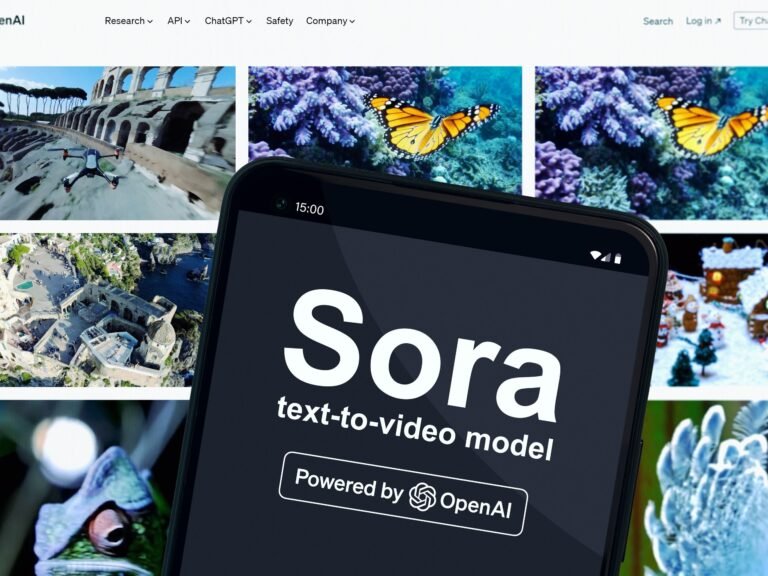
Artificial intelligence is rapidly transforming the way video content is created, edited, and distributed. What once required expensive equipment, advanced editing skills, and hours of post production can now be achieved with simple prompts and automated tools. For creators on platforms like YouTube, TikTok, and Instagram, this shift is opening new opportunities to produce high quality content faster and at scale.
The demand for video content continues to grow every year. Studies suggest that video will account for over 85% of global internet traffic, and platforms are increasingly prioritizing video in their algorithms. As a result, creators who understand and adopt emerging AI video trends can gain a major advantage in both productivity and audience growth.
AI video generators are now capable of generating scripts, visuals, voiceovers, and even entire video sequences automatically. Instead of replacing creators, these tools enhance the creative process by removing technical barriers and speeding up production.
In this article, we explore seven AI video trends every creator should know in 2026 and how they are shaping the future of content creation.
1. How are prompt based video generators changing content creation?
Prompt based video generation is one of the most important trends shaping the future of video creation. Instead of manually editing clips or assembling footage, creators can simply describe the type of video they want and let AI generate it automatically.
These tools interpret text prompts and generate scripts, scenes, visuals, and narration in a structured format. This dramatically reduces the time required to produce videos while allowing creators to experiment with new ideas quickly.
Platforms such as Ai video generator by invideo allow creators to convert prompts into complete videos with voiceovers, subtitles, visuals, and music. Modern platforms like invideo also combine multiple AI models to power different parts of the workflow, including Kling for cinematic video generation, Google Veo for advanced video outputs, and Nano Banana for high quality image creation that can be used within videos.
As prompt based workflows become more sophisticated, they are likely to become the standard approach to video production for many creators.
2. Why are faceless YouTube channels growing with AI?
Faceless YouTube channels have grown rapidly over the past few years, and AI tools are accelerating this trend even further. These channels create engaging videos without showing the creator on camera, relying instead on voiceovers, animations, and visuals.
AI video generators make it much easier to produce this type of content. Creators can generate scripts, narration, and visuals automatically, allowing them to produce educational videos, explainers, or storytelling content without recording themselves.
This trend is particularly attractive for creators who prefer privacy or who want to manage multiple channels simultaneously. AI tools make it possible to produce professional looking videos without needing a camera setup or studio environment.
3. How are AI generated visuals improving video quality?
Another major trend is the use of AI generated visuals within videos. Instead of searching for footage or graphics, creators can now generate images and scenes that match their scripts exactly.
These visuals can include illustrations, cinematic scenes, or animated graphics that help explain ideas more clearly. Many AI video platforms now include integrated image generation to support video creation.
For example, tools like invideo combine video generation with AI generated visuals, audio, and music so creators can produce complete videos within a single workflow. This integration helps maintain visual consistency while reducing the time spent searching for assets.
As AI image generation improves, videos created with AI will become even more visually compelling.
4. Are AI voiceovers replacing traditional recording?
Voiceovers are a critical part of many videos, especially tutorials, educational content, and explainer videos. Traditionally, recording voiceovers required microphones, quiet environments, and editing software.
AI voice generation is now making this process much faster. Modern text to speech models can generate natural sounding voices in multiple languages and accents.
Creators can simply paste their scripts into AI voice generators and instantly produce professional narration. This removes the need for recording equipment and significantly speeds up the production process.
For creators producing large volumes of content, AI voiceovers make it easier to maintain consistent audio quality across multiple videos.
5. Why are automated video editing tools becoming popular?
Editing is often the most time consuming stage of video production. Aligning visuals with narration, trimming clips, adding transitions, and syncing music can take hours for even a short video.
AI powered editing tools now automate much of this work. They can arrange scenes based on scripts, automatically match visuals to narration, and apply transitions without manual input.
These tools allow creators to produce polished videos quickly while still maintaining the ability to make custom adjustments when needed.
As editing automation continues to improve, creators will be able to produce videos at a much faster pace without sacrificing quality.
6. How are mobile AI video tools changing creator workflows?
Another growing trend is the rise of mobile AI video creation tools. Many creators now produce and publish videos directly from their smartphones rather than using desktop editing software.
Mobile AI video apps allow creators to generate scripts, visuals, and videos on the go. This flexibility makes it easier to capture ideas and turn them into content immediately.
Using an ai video generator app, creators can generate complete videos from prompts even when they are away from their main editing setup.
This mobile first approach is particularly useful for social media creators who need to publish content frequently.
7. How will AI collaboration tools shape the future of video creation?
As AI tools become more powerful, collaboration between creators and AI systems will become a major part of the content creation process.
Instead of using AI for a single task like editing or scripting, creators will increasingly rely on integrated AI platforms that handle multiple stages of production. These platforms combine video generation, visual creation, audio tools, and editing capabilities within one ecosystem.
This integrated workflow allows creators to move from idea to finished video much faster while maintaining creative control.
The future of video creation will likely involve creators working alongside AI systems that assist with planning, generating, and editing content.
Conclusion
AI video technology is evolving quickly, and creators who stay informed about these trends will have a significant advantage in the content economy. From prompt based video generation to automated editing and AI voiceovers, these tools are transforming how videos are produced.
The most important change is that video creation is becoming more accessible. Creators no longer need expensive equipment or advanced editing skills to produce professional looking content.
Instead of replacing creativity, AI tools are enabling creators to experiment more, produce content faster, and scale their channels more efficiently.
As these technologies continue to improve, AI will become an even more important part of the creator workflow. Those who adopt these trends early will be better positioned to succeed in the rapidly evolving world of online video.
About the Author